Meshtastic solar node
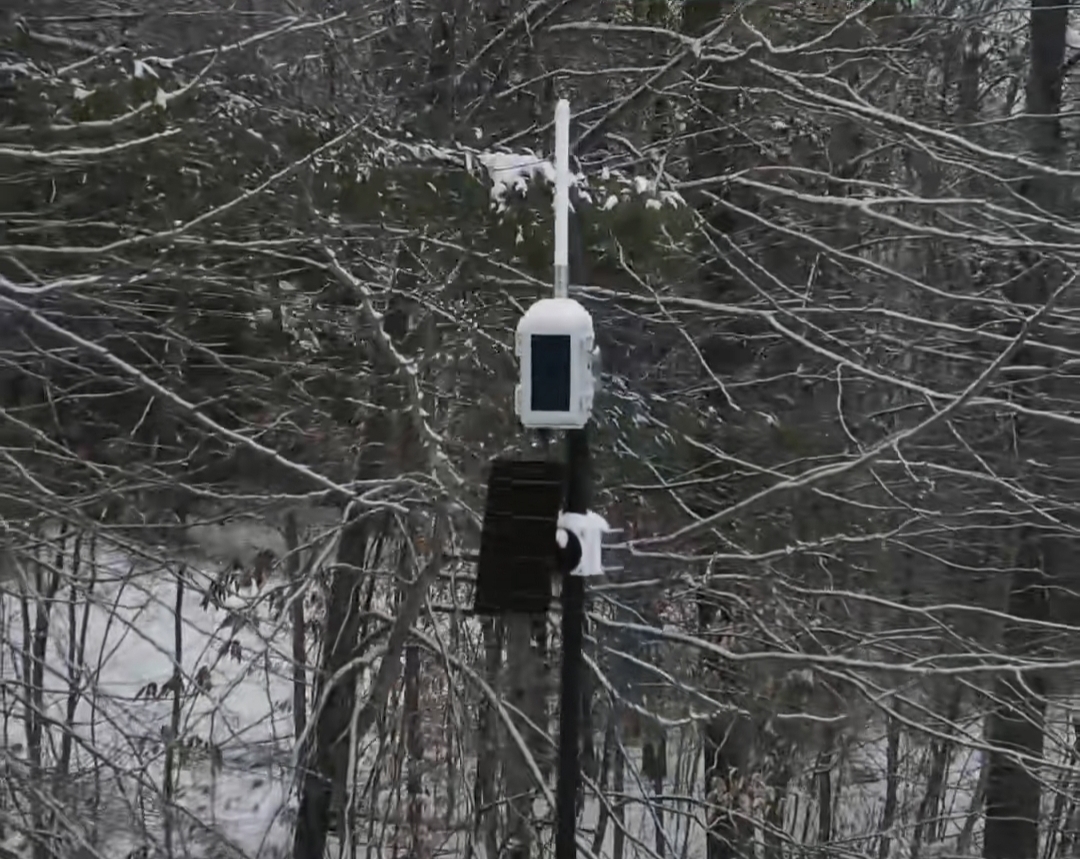
Building and maintaining an off-grid Meshtastic node for long-term operation.
Why this build matters
Most solar-powered Meshtastic builds demonstrate that a node can run from a solar panel. This project is about whether that setup can remain operational unattended, through freezing temperatures, snow accumulation, short winter days, and extended periods of poor sunlight.
The goal isn’t just to build a working node. It’s to find out how reliably it performs over time.
Hardware
All links are to Amazon. Eventually I will get around to making these affiliate links. Much of this can be found cheaper on AliExpress.
- Node: Heltec T114 V2 (No Screen, No GPS) (See new node recommendation at end of page)
- Battery: 5000mAh (2P 18650)
- Enclosure: 6”x4”x3” waterproof enclosure
- Temperature Sensor: BME280
- Antenna: Type N 3dBi Fiberglass
- u.FL to Type N Pigtail: Antenna Adapter
- Solar Panel: USB-C Solar Panel
- Vent: PTFE Vent Plug
- Caulk: Any silicon outdoor rated caulk
Build notes
I did make use of my 3d printer to make a pole mount adapter for the solar panel, found here, as well as some sleds I designed to make the battery and T114 easier to mount. Without the sleds, zipties work well to secure components to the backing board.
You will also need heat shrink and solder as the battery connector on the battery listed will not work with the T114. Carefully solder the battery connector included with the T114 and be sure to use heat shrink on your connections.
Field results

After 242 days of continuous runtime, I decided it was time for a firmware update. The battery never went below 75% even in the dead of winter here in Vermont. This is mostly thanks to the 7 Watt solar panel and the T114 being nRF powered. nRF chipsets are extremely power efficient compared to ESP32 powered devices.
I have to say, using a USB panel made for a much easier install, I have found that the solar input on the T114 can be very picky about the amount of power that it wants. I was also shocked at the performance of Lithium Ion batteries in -20°F (-29°C) temperatures. This setup didnt skip a beat.
The addition of a BME280 Temperature, Humidity and Pressure sensor made this into a fun way to check the weather. I had originally added the sensor to keep an eye on the humidity inside the enclosure but later I added a PTFE vent to ensure that the node had the chance to exhale if it needed.
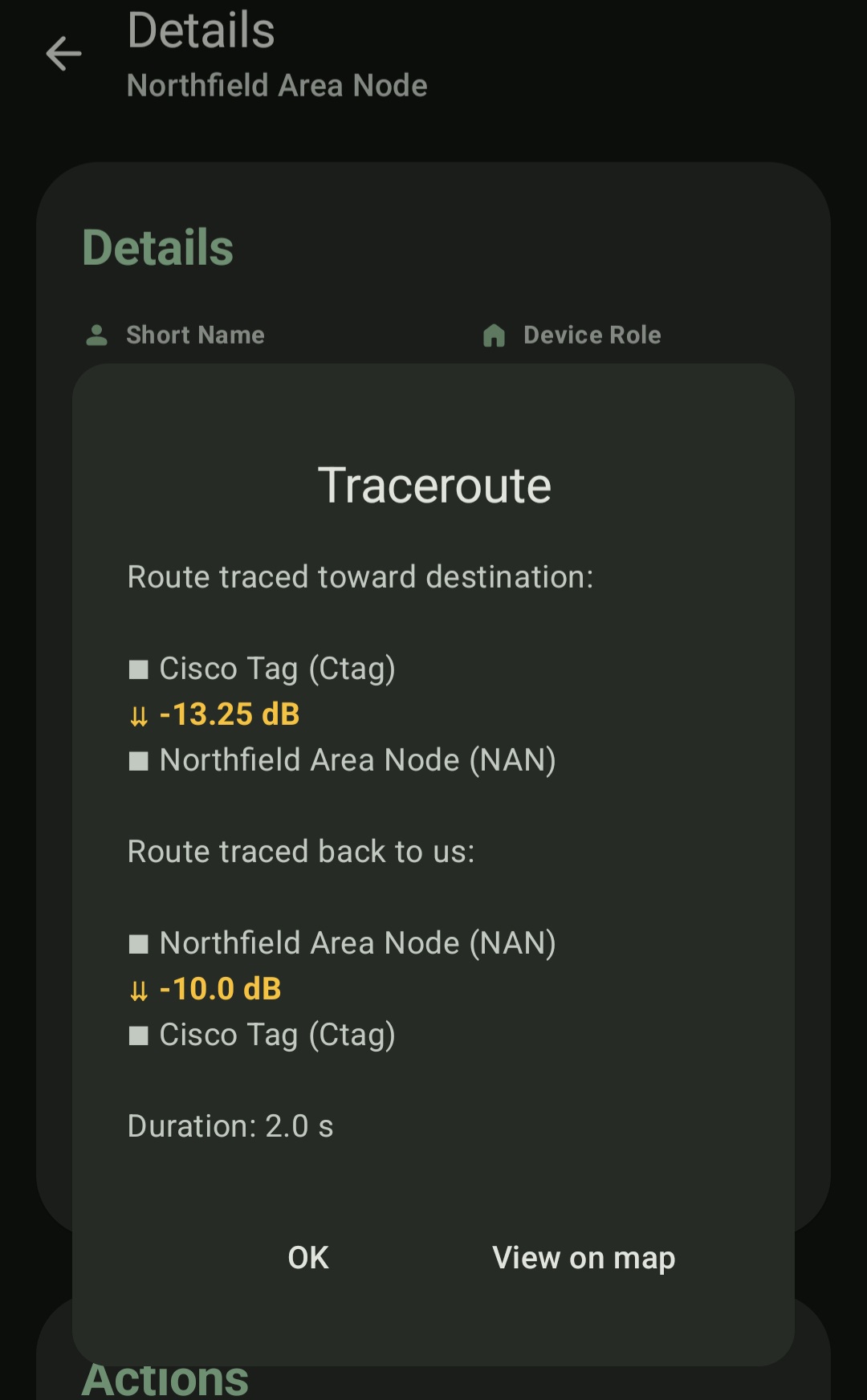
In the early days of Meshtastic in Central Vermont, this node proved to be a useful town wide repeater. Now it serves as another link in the ever-growing network. I regularly make contacts through the node and have also used a T1000E to make a 6.24mi (10km) traceroute!
What I would do differently
If I was building this today, I would use a Heltec T096. This newer node is a similar price, also nRF powered so it sips power, but this will output .5 Watt vs the T114 at only .1 Watt. The T096 also has GPS built in!
I would also add some self amalgamating tape to the antenna connector, its cheap protection against water intrusion on your antenna connector.